Use the following Exchnage Shell command to view the size of ALL Mailbox Databases within your Exchange Organisation. Get-MailboxStatistics username ft DisplayName TotalItemSize ItemCount.
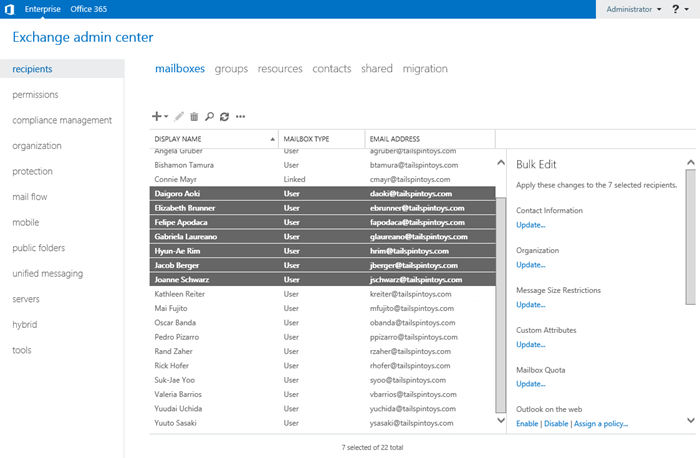
Exchange Admin Center In Exchange Server Microsoft Docs
Optionally again an export to file.

Exchange 2010 view mailbox size. For that we use the FT command short for Format-Table along with the fields we want. Issue Warning MB 1948. The following command will list all mailboxes in the MailDB1 database.
Get-Mailbox will show you mailbox name alias server and prohibit send quota. Exchange 2010. Get-MailboxDatabase -Status select ServerNameNameDatabaseSize.
Als Merker fr mich und alle anderen daher hier zwei Kommandos zur schnellen Auswertung von Mailbox-Gren. The Get-MailboxStatistics cmdlet is used to obtain information about a mailbox such as the total size of the mailbox the number of messages it contains and the mailbox logon activity. In Outlook 2016 and later this section is called Mailbox Settings.
Exchange 2010 enthlt mchtige Funktionen zur Auswertung der Mailbox-Datenbanken. The output from Get-MailboxStatistics piped into Sort-Object. When i go to Recipient Configuration Mailboxes Select User Properties Mailbox Settings Storage Quotas is shows the following-.
Single mailbox Get-MailboxStatistics user_name_goes_here ft displayname totalitemsize ItemCount -Jay Going to user outlook the ost file is well over 19GB. You can create Exchange mailbox size report by using Get-MailboxStatistics cmdlet in Exchange PowerShell console. The Exchange Management Shell powered by PowerShell makes it easy to collect size information for the mailboxes in an Exchange 2010 organization.
The Get-MailboxStatistics cmdlet can be used to obtain various details about a mailbox such as the size of mailbox number of messages it contains etc. Using the Exchange Management Shell you can create a create a report of all mailboxes and list their size. Get-MailboxStatistics -Database MailDB1 format-table DisplayName TotalItemSize TotalDeletedItemSize Database ServerName List all mailboxes on a server Exchange.
Select-Objectto return only the desired number of results and optionally to return only the specific properties we want to see in our final output. View Mailbox Database Size. Right click on a user properties and then select the Exchange General tab and click on Storage Limits Monday July 23 2012 601 AM.
Observe that this is a resource intensive cmdlet if you have a lot of Mailboxes on the selected Server Get-Mailbox Server lab3-sv-exm-01 -ResultSize Unlimited Get-MailboxFolderStatistics -FolderScope All Sort-Object FolderSize -Descending Select-Object -First. I log into exchange 2010 server and right click user and selecct properties and. This shows us the size.
For example to list the sizes of all mailboxes on a particular database we can use this command. Leider sind diese nur ber die PowerShell zugnglich. Below are a few scripts that will help with Exchange 2010 reporting.
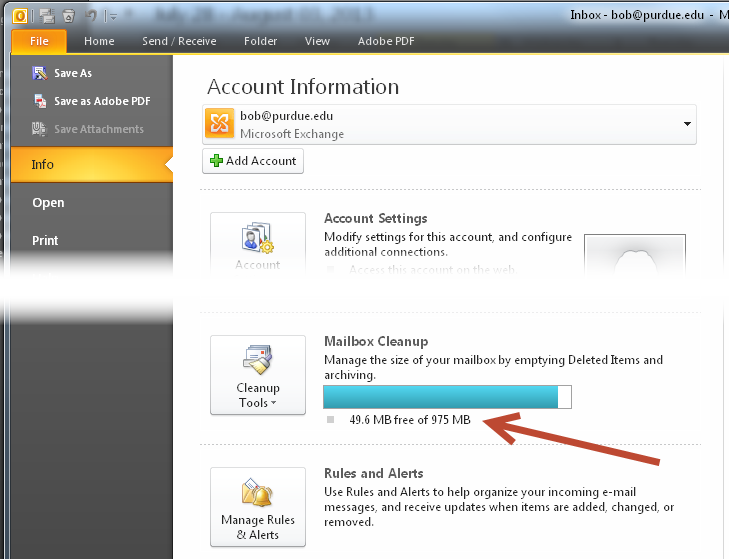
You can limit this to particular Databases using the command below this will return sizing information on Mailbox Databases which. Following on from a previous article on how to find out mailbox sizes in Exchange 2007 found here the syntax is a little different for Exchange 2010. If you are using Outlook 2010 or later your quota and current mailbox size is displayed when you go to.
Open Exchange EMC - Recipient Configuration - Mailbox -. Als erstes die Gesamtgre aller Mailboxen. We can find the total used space of mailbox of all users by using the exchange powershell cmdlet Get-MailboxStatistics.
Change mailbox size on Microsoft Exchange 2010. File- Info In Outlook 2010 and Outlook 2013 this information is displayed in the Mailbox Cleanup section. Below is a single-line script to obtain mailbox sizes.
Microsoft has added a new powerful command line shell called PowerShell which was developed for System administrators to easily. List all mailboxes in a database Exchange Management Shell. To view a user mailbox size in Exchange Server 2010 we can use either the EMC or Exchange Shell.
Example 1 Select top 30 mailboxes by totalitemsize. Prohibit Send MB 2048. You can manually edit the size of individual mailboxes in Active Directory.
To view a user mailbox size using the GUI follow the steps below. In previous versions of Exchange we could view the mail box size from the Exchange console. I want to change the mailbox size of one user on the Microsoft Exchange 2010 from 2MB to 4MB.
The following article explains how we can get mail box size of particular user or all users from Microsoft Exchange Server 2010 using PowerShell commands. Its a start but no information on mailbox sizes. Largest Mailbox Folders in Size Show top ten largest Mailbox folders on the Mailbox Server sorted by size.
Get Mailbox Size for Single User.
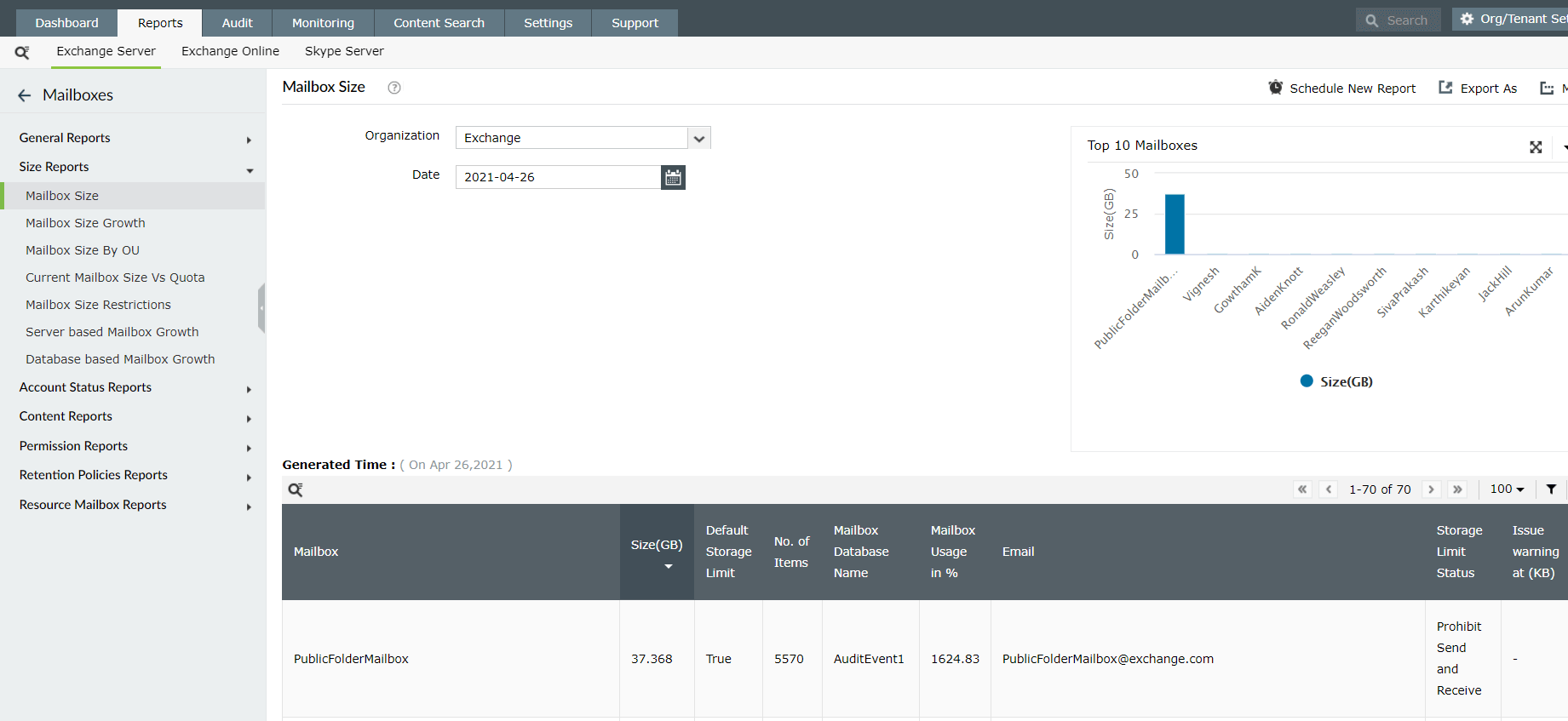
How To Get Mailbox Size Reports Using Powershell
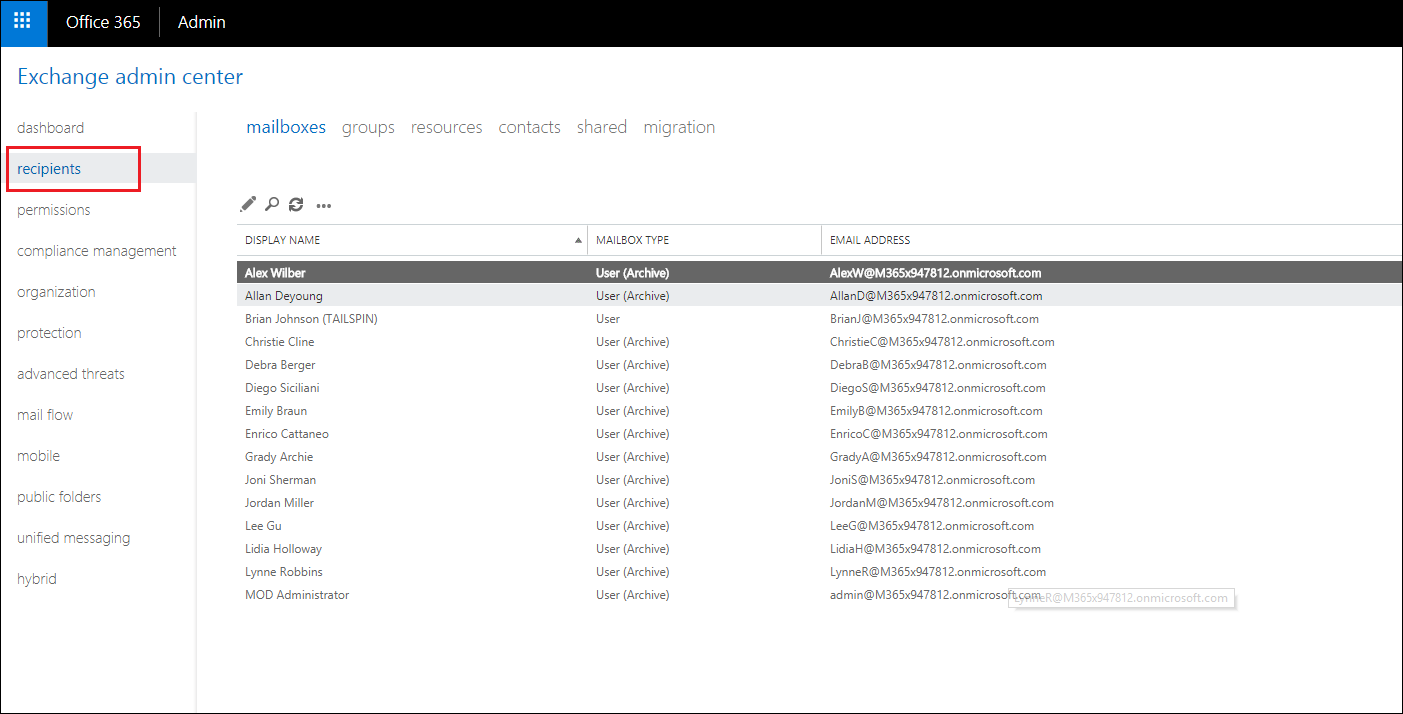
How To Export A List Of Mailboxes To A Csv File
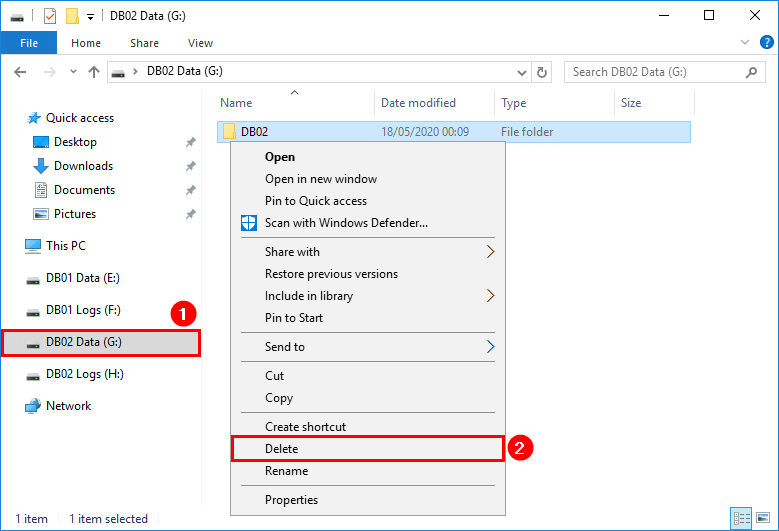
Delete Mailbox Database Exchange 2016 Ali Tajran

Move Mailbox To Different Database In Exchange 2010
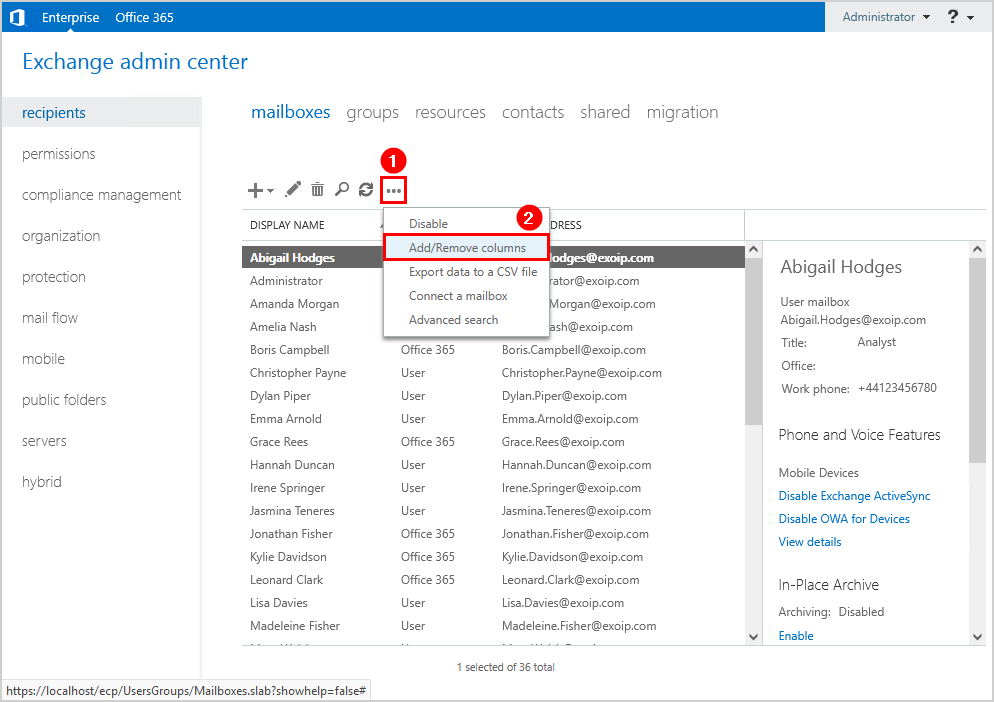
Determine If A Mailbox Is On Premises Or In Office 365 Ali Tajran
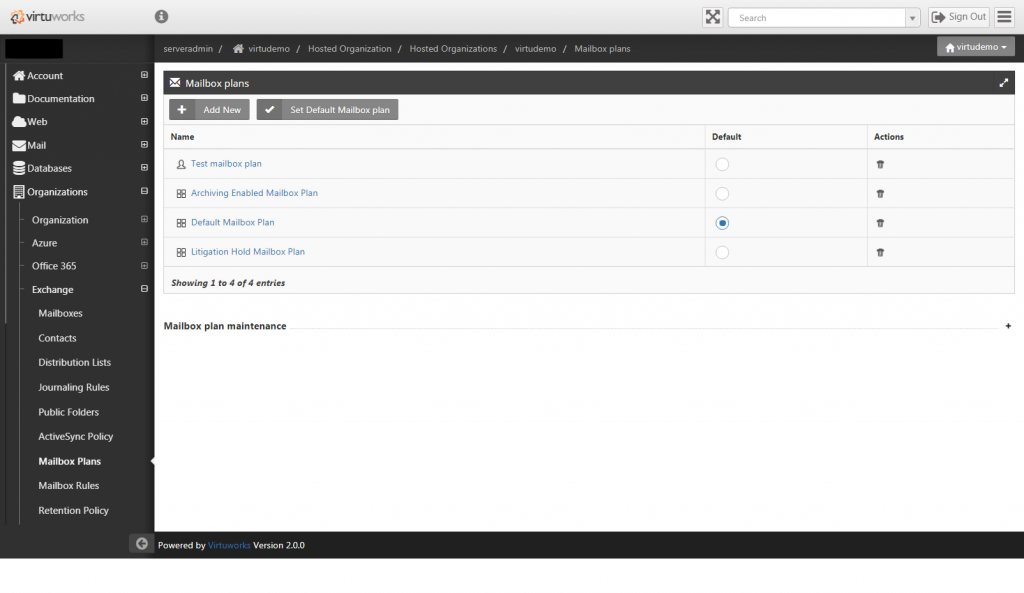
Microsoft Exchange Mspcontrol

Pin On Email Migration Software

Exchange Admin Center In Exchange Server Microsoft Docs
Determine Your Exchange Mailbox Size And Quota Education It

Get Mailbox Size Of All Users In Exchange With Powershell Ali Tajran

Download Edb To Pst Software Which Allows User To Remove All Exchange Corruption Issues In Order To Export Edb To Pst With Co Data Recovery Pst Wellness Design
Methods To Archive Mailbox Items In Exchange Server
Determine Your Exchange Mailbox Size And Quota Education It
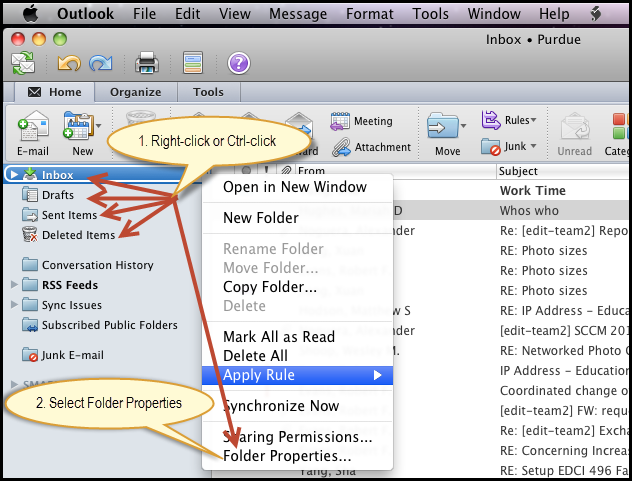

Disconnected Mailboxes Microsoft Docs

How To Open Ost Files Without Outlook And Exchange Connection Ost Outlook Sharepoint
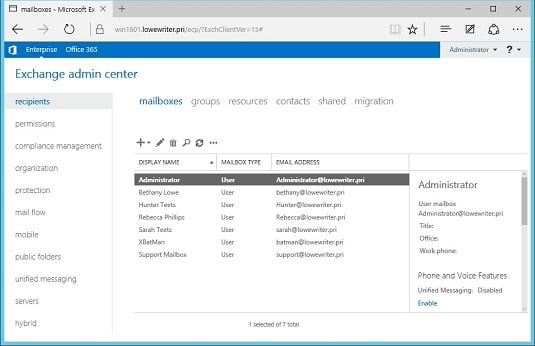
Network Administration How To Set Mailbox Storage Limits In Microsoft Exchange Server 2016 Dummies

How To Export Exchange 2016 2013 2010 Mailbox To Pst Pst Exchange Mailbox

Determine If A Mailbox Is On Premises Or In Office 365 Ali Tajran

How To Change Mailbox Size Max Email Size In Exchange 2010

